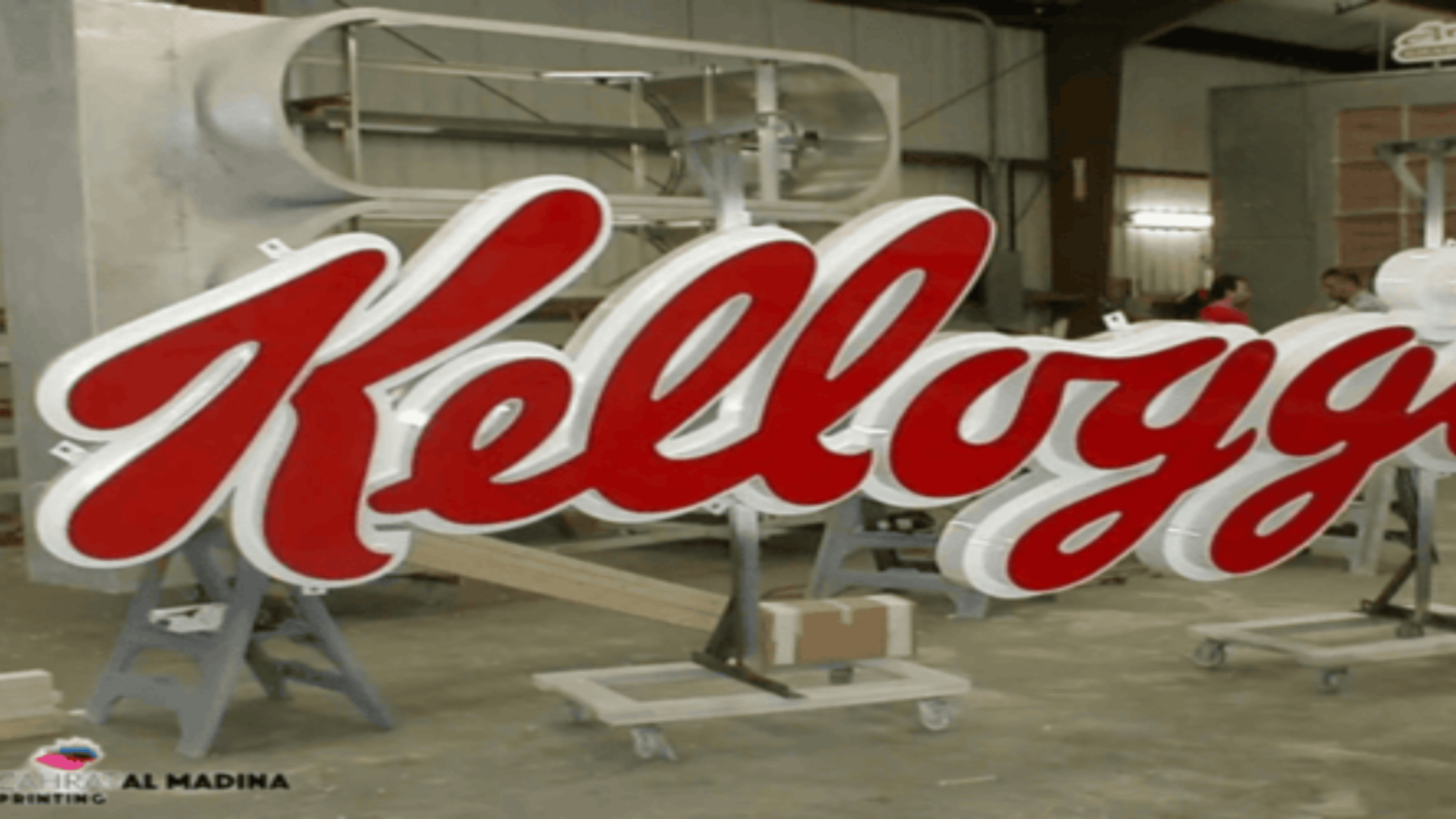
 Marketing & Sales
Custom Sign Board: A Complete Guide to Office, Shop, and Wayfinding Signage
Signage is an essential part of modern business communication. Whether it is used to identify a company, guide visitors through a building, or attract customers to a retail store, signage helps people interact with spaces more efficiently. A well-designed sign can improve visibility, provide important information, and create a professional appearance for businesses and organizations.
A Custom Sign Board is specifically designed to meet the unique requirements of a business, office, retail store, educational institution, healthcare facility, or public space. Unlike generic signs, custom sign boards can be tailored to reflect branding, improve navigation, and support communication goals.
Today, organizations use many types of signage to enhance customer experiences and workplace efficiency. Among the most common are Office Signage, Shop Signage, and Wayfinding Signage. Each serves a distinct purpose and contributes to a more organized and accessible environment.
This guide explores the importance of custom sign boards, the different types of signage available, their benefits, and how they help businesses and institutions communicate effectively.
What Is a Custom Sign Board?
A custom sign board is a sign designed specifically for a particular location, business, or purpose. It can display information such as:
- Company names
- Logos
- Department names
- Directions
- Safety instructions
- Product information
- Promotional messages
Custom sign boards can be manufactured using various materials, including:
- Acrylic
- Aluminum
- Stainless steel
- PVC
- Wood
- Composite materials
Depending on the application, signs may be illuminated or non-illuminated and installed indoors or outdoors.
Why Custom Sign Boards Matter
Custom signage serves more than just a decorative purpose. It plays a vital role in helping people navigate spaces, recognize brands, and access important information.
Improves Visibility
Sign boards make businesses and facilities easier to identify.
Supports Communication
Signs provide information quickly and clearly.
Enhances Branding
Customized designs help reinforce a consistent visual identity.
Assists Navigation
Visitors can move through spaces more efficiently when clear signage is available.
Creates a Professional Environment
Well-designed signs contribute to an organized and welcoming appearance.
The Role of Signage in Business Environments
Businesses operate in increasingly competitive markets where visibility and customer experience are important factors.
Signage helps organizations:
- Attract customers
- Build brand recognition
- Improve navigation
- Communicate information
- Enhance workplace organization
Without effective signage, visitors may struggle to locate businesses, departments, products, or services.
First Impressions and Signage
A sign is often one of the first things people notice about a business.
Clear and professional signage can communicate:
- Reliability
- Professionalism
- Organization
- Attention to detail
For many businesses, signage acts as a silent representative of the brand.
Office Signage
What Is Office Signage?
Office Signage includes signs installed within corporate workplaces, administrative buildings, business centers, and commercial offices.
These signs help employees, visitors, and clients navigate spaces while supporting a professional working environment.
Types of Office Signage
Reception Signs
Reception signs typically display a company logo or business name in the main entrance area.
Department Signs
These signs identify different departments or work areas.
Examples include:
- Human Resources
- Finance
- Marketing
- Operations
Meeting Room Signs
Meeting room signs help visitors and employees locate conference rooms and collaboration spaces.
Name Plates
Name plates identify employees, managers, and executives.
Safety Signs
Office environments often require signs displaying emergency exits, fire safety instructions, and workplace guidelines.
Benefits of Office Signage
Improved Navigation
Visitors can locate offices, meeting rooms, and departments more easily.
Enhanced Professional Appearance
Consistent signage contributes to an organized workplace.
Stronger Brand Identity
Office signs often incorporate company logos, colors, and design elements.
Better Communication
Signs provide information without requiring staff assistance.
Example
A corporate headquarters may install branded reception signage, department identification signs, and directional signs throughout the building to improve visitor experiences.
Shop Signage
What Is Shop Signage?
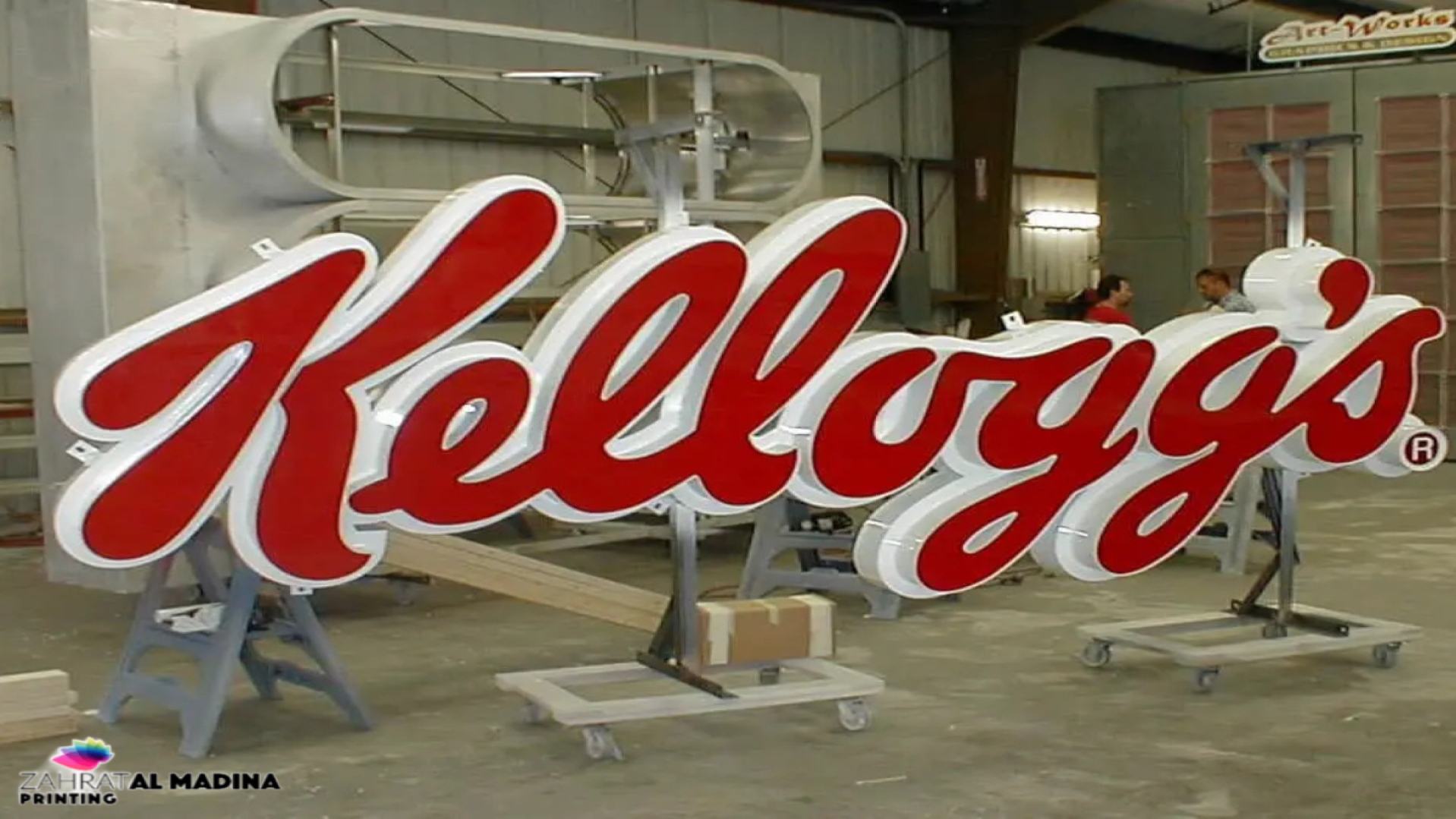
Shop Signage refers to signs used by retail businesses to attract customers, identify stores, and communicate promotions or product information.
Retail signage plays a major role in influencing customer awareness and store visibility.
Types of Shop Signage
Storefront Signs
Storefront signs display the business name and logo at the entrance.
Window Signs
Retailers often use window graphics to promote products, sales, and seasonal campaigns.
Hanging Signs
These signs are mounted perpendicular to storefronts and improve visibility from different directions.
Informational Signs
Used to display:
- Operating hours
- Store policies
- Product categories
- Customer information
Promotional Signs
Temporary signs used for sales, discounts, and special events.
Benefits of Shop Signage
Increased Visibility
Customers can locate stores more easily.
Improved Brand Recognition
Consistent signage reinforces branding.
Effective Promotion
Retailers can communicate offers and product information directly to shoppers.
Enhanced Customer Experience
Clear signage helps customers navigate stores and locate products.
Example
A clothing retailer may use storefront signage, window graphics, and promotional signs to attract attention and guide customers through the shopping experience.
Wayfinding Signage
What Is Wayfinding Signage?
Wayfinding Signage is designed to help people navigate buildings, campuses, public spaces, and commercial environments.
These signs are particularly important in large or complex facilities where visitors may be unfamiliar with the layout.
Common Locations for Wayfinding Signage
Wayfinding systems are commonly used in:
- Hospitals
- Airports
- Universities
- Shopping malls
- Hotels
- Office complexes
- Government buildings
Components of Wayfinding Systems
Directional Signs
These signs guide people toward specific destinations.
Examples include:
- Reception
- Exit
- Parking
- Restrooms
Informational Signs
Provide maps, directories, and location details.
Identification Signs
Identify rooms, departments, and facilities.
Regulatory Signs
Display rules, restrictions, and safety instructions.
Benefits of Wayfinding Signage
Easier Navigation
Visitors can find destinations without confusion.
Reduced Stress
Clear directions improve user confidence and comfort.
Greater Efficiency
Staff spend less time providing directions.
Improved Accessibility
Well-designed signage supports accessibility for all users.
Example
A hospital may use a comprehensive wayfinding system with color-coded signs and directional arrows to help visitors locate departments and services.
Key Elements of Effective Signage Design
The effectiveness of a custom sign board depends on several design factors.
Readability
Text should be easy to read from the intended viewing distance.
Considerations Include:
- Font size
- Font style
- Contrast
- Letter spacing
Visibility
Signs should remain visible under expected lighting conditions.
Consistency
Using consistent colors, logos, and design elements helps strengthen branding.
Simplicity
Clear and concise messaging improves understanding.
Placement
Signs should be installed where users naturally expect to find information.
Materials Used in Custom Sign Boards
Different materials offer different benefits depending on the application.
Acrylic
Popular for office and reception signage due to its clean and modern appearance.
Aluminum
Lightweight and durable, making it suitable for outdoor signs.
Stainless Steel
Often used for premium signage applications.
PVC
A versatile and cost-effective material for indoor signage.
Composite Materials
Provide durability and flexibility for various environments.
Benefits of Custom Sign Boards
Better Brand Recognition
Custom signs reinforce a company’s identity through logos, colors, and messaging.
Enhanced Customer Experience
Visitors can navigate spaces more easily and access information quickly.
Improved Professional Appearance
High-quality signage contributes to a polished and organized image.
Long-Term Communication Tool
Signs continue delivering information long after installation.
Versatile Applications
Custom sign boards can be used across many industries and environments.
Industries That Rely on Custom Sign Boards
Retail
Shops use signage to attract customers and communicate promotions.
Corporate Offices
Businesses rely on signage for branding and navigation.
Healthcare
Hospitals use signs to guide visitors and identify departments.
Education
Schools and universities depend on wayfinding systems and informational signs.
Hospitality
Hotels require extensive signage for guest navigation and service information.
Government Facilities
Public buildings use signage to improve accessibility and communication.
Trends in Modern Signage
The signage industry continues to evolve with changing technologies and design preferences.
Minimalist Design
Simple and clean designs are becoming increasingly popular.
Sustainable Materials
Organizations are seeking environmentally responsible signage solutions.
LED Integration
Illuminated signs improve visibility while reducing energy consumption.
Interactive Elements
Some facilities combine traditional signage with digital technologies.
Accessibility-Focused Design
Modern signage increasingly considers accessibility requirements for diverse users.
The Importance of Professional Signage Planning
Effective signage requires more than attractive design. Successful sign systems involve careful planning, placement, material selection, and maintenance.
Many organizations work with providers such as Zahrat Al Madina Printing Services when developing signage systems for offices, retail stores, educational institutions, and commercial facilities. Professional planning helps ensure consistency, readability, and long-term performance.
Conclusion
A Custom Sign Board is a valuable tool for communication, branding, and navigation. Whether used in a corporate office, retail store, educational institution, healthcare facility, or public space, custom signage helps people access information quickly and move through environments more efficiently.
Solutions such as Office Signage, Shop Signage, and Wayfinding Signage play an essential role in improving visibility, enhancing user experiences, and supporting organizational goals. From identifying departments and promoting products to guiding visitors through complex facilities, signage remains a fundamental element of modern business and facility management.
As organizations continue to focus on customer experience, operational efficiency, and brand consistency, custom sign boards will remain an important part of creating accessible, organized, and professional environments. Providers such as Zahrat Al Madina Printing Services contribute to this field by supporting businesses and institutions with signage solutions tailored to their communication and branding needs.
Tags
Categories
- Mountains
- Building
- Island & Beaches
- Sports
- District
- Cultural Venues
- Parks
- Museums
- Shopping Centers
- Religious Places
- Tourism
- Industry-Specific Topics
- Sustainability & CSR
- Legal & Compliance
- Networking & Events
- Talent Management
- Human Resources
- Marketing & Sales
- Finance & Banking
- Innovation
- Technology
- Real Estate & Property
- Entrepreneurship & Start-Ups
- Case Studies
- Success Stories
- Analysis
- Market Trends
- Investment Opportunities
- Regulations
- Business Setup
Related Blogs
 Marketing & Sales
 Marketing & Sales
 Marketing & Sales

Cookies Privacy
This website uses cookies or similar technologies to enhance your browsing experience and provide personalized recommendations. By continuing to use our website, you agree to ou...
Comments (0)
{{ obj.comment_user_info.fullname }}
{{ obj.date_formatted }}{{ expandedComments[index] ? obj.comment : obj.comment.slice(0, 50) + (obj.comment.length > 50 ? '...' : '') }}
Add Comments
Login to comment